
Spotting wildlife
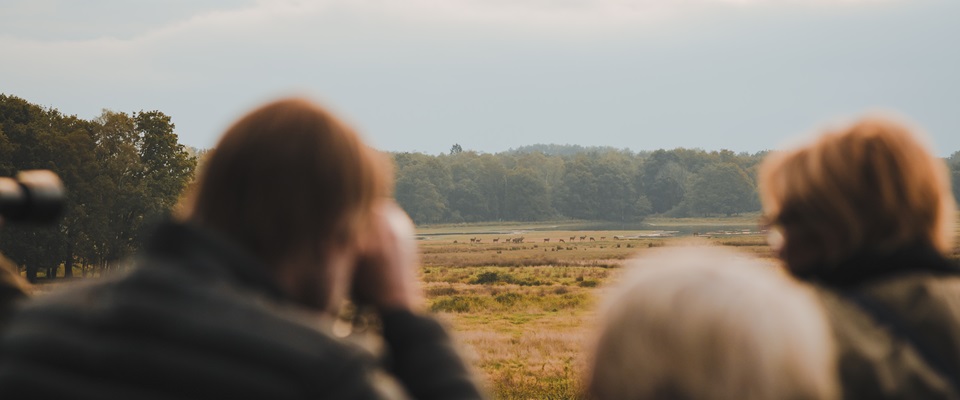
What wild animals live in Limburg? More than you might expect. In the vast forests, across heathlands and along quiet streams, you’ll find red deer, wild boar, foxes and badgers. Birds like buzzards, woodpeckers and owls are sometimes heard or seen too. When you walk through the nature of Hart van Limburg, you’ll soon notice how the landscape keeps changing. One moment you’re among tall pine trees, the next you’re crossing an open field or standing at the edge of a quiet pond. Each habitat attracts different kinds of animals. Want to spot wildlife? Head out early, stay on the paths and keep your voice down. Put your phone on silent, wear calm colours and take your time. If you're lucky, you might see something special without disturbing the animals.
Red deer and where to find them
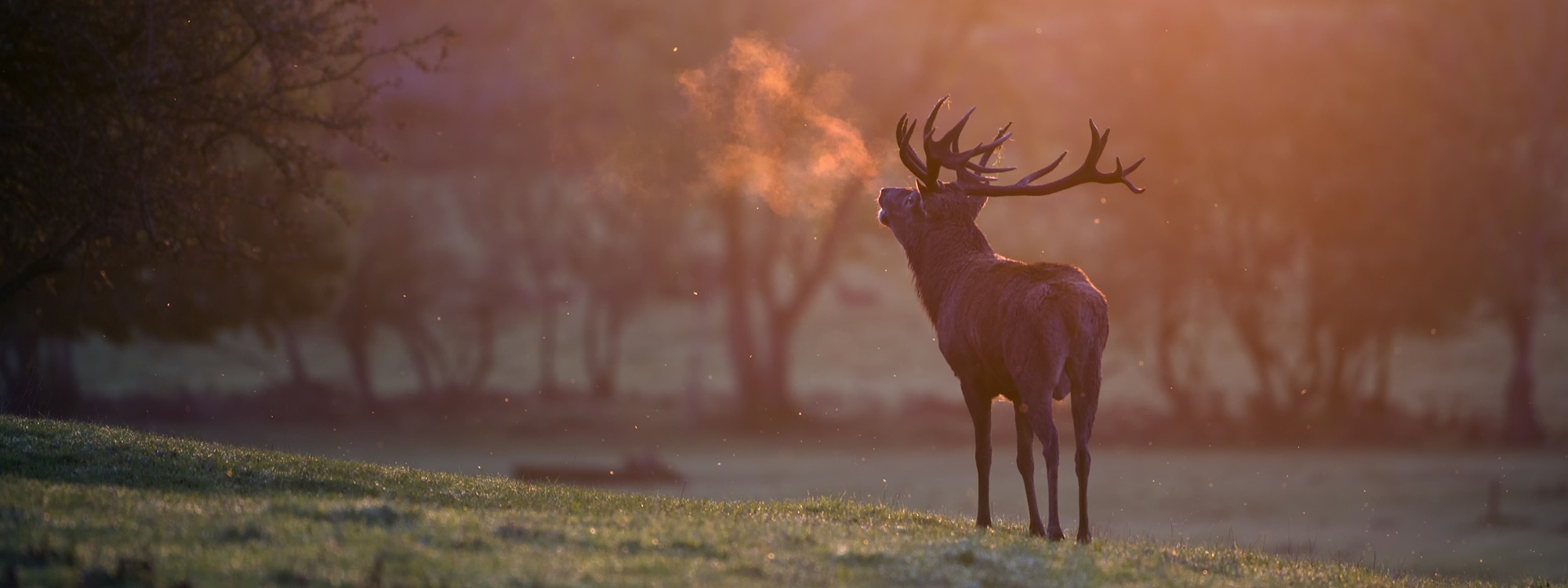
The red deer is the largest land mammal in the Netherlands. The males are easy to recognise by their large antlers, which they shed every winter. In summer, their fur is reddish brown, while in winter it turns grey-brown to blend in with their surroundings.
In Limburg, you’re most likely to see red deer in the KempenBroek nature reserve and in De Groote Peel National Park. Early in the morning, they sometimes appear through the misty grass, their antlers just visible above the shrubs.
How to spot a fox in the wild
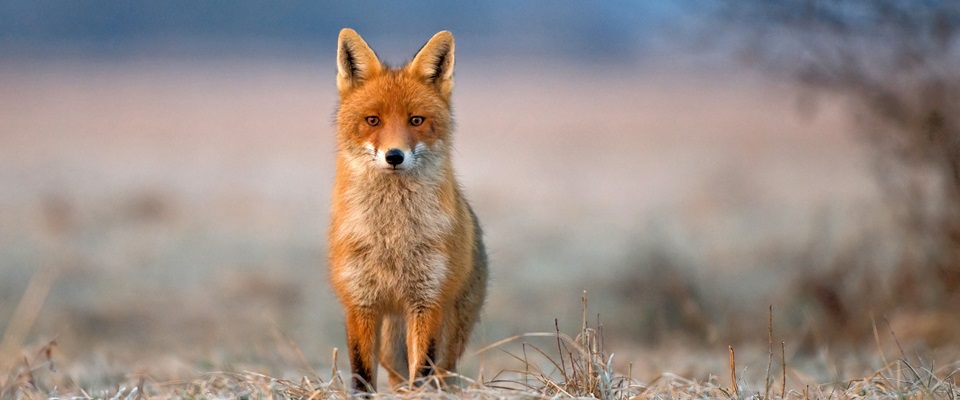
Foxes are shy and usually stay hidden during the day. Still, many live in Limburg, hiding in tall grass, thick undergrowth or along the forest edge. Spotting one takes patience and a bit of luck. Dusk is the best time, when the forest becomes quiet again.
Foxes are related to dogs. Their thick fur and bushy tail make them look big, but they’re only about the size of a large cat. If you look closely, you might just catch a flash of orange between the leaves.
Where to find wild boar in Limburg
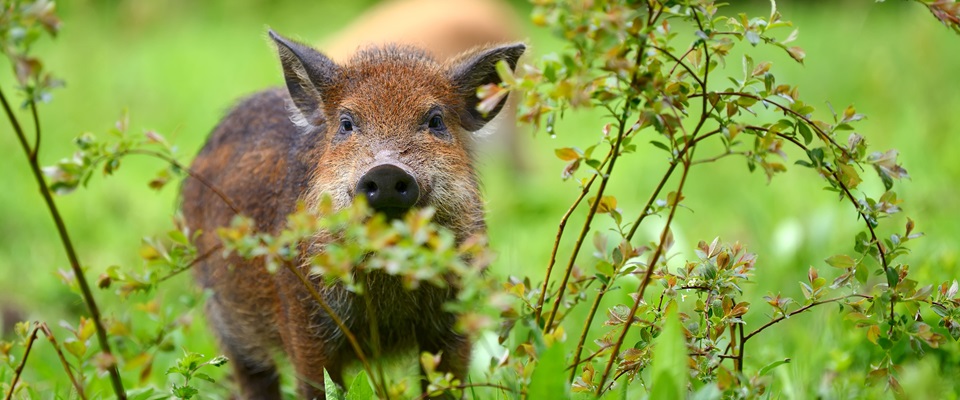
The wild boar is the ancestor of the domestic pig. They look quite similar, although wild boars have a coarse, brown-grey coat and a more robust build. During the day, they stay hidden, but in the evening they go out in search of food. You might not see them, but their tracks are easy to find: patches of churned-up soil, hoof prints or muddy digging spots along the path.
Wild boar live in many parts of Limburg, but De Meinweg National Park is home to one of the largest populations. If you come across one, stay calm and keep your distance. Never get between a mother and her young. They’re usually shy, but will defend themselves if they feel threatened.
Which birds can you spot in Limburg?
Limburg is home to a wide variety of birds from majestic birds of prey to colourful songbirds. One of the most common is the buzzard. You’ll often see it gliding over open fields in wide circles, searching for prey. Its broad wings and short fan-shaped tail make it easy to identify. Sometimes it rests on a fence post, scanning the land below. Sparrowhawks and goshawks are harder to spot, but when they shoot low along the forest edge, you’ll recognise them by their speed. At dusk, you might hear the soft call of a tawny owl deep in the woods.
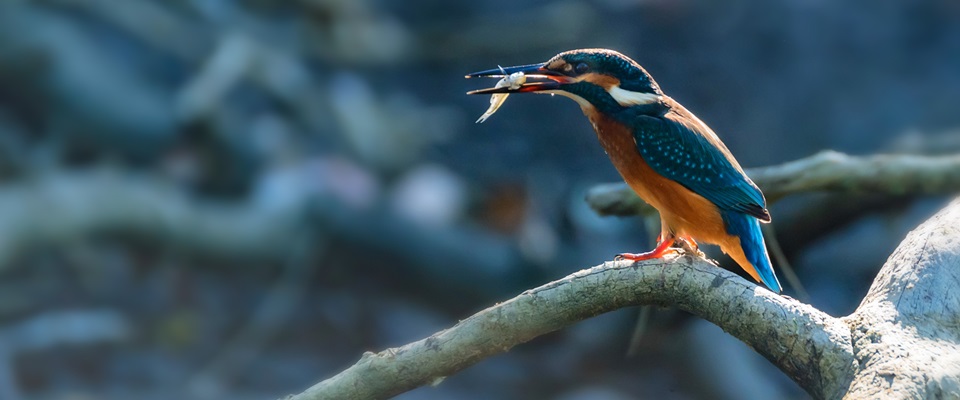
There’s more to hear in spring. Blackbirds, robins and chaffinches fill the air with birdsong. Around quiet waters, you might even spot a kingfisher – with its bright blue back and sharp dive. On the heathlands, the skylark sings as it rises and then drops like a speck into the grass.
Look and listen carefully. The sky above Limburg is full of life.
Signs of the beaver
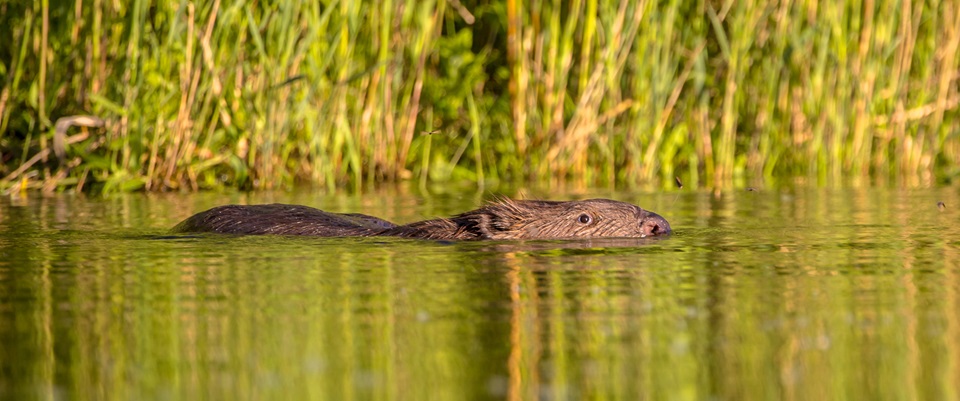
You won’t see them often, but they’re there. Beavers are thriving again in Limburg. Once extinct in the Netherlands, they were reintroduced in the 1980s and have made an impressive comeback.
They build lodges along rivers and in wetland areas, often out of sight. But their work is easy to spot: tree trunks with gnaw marks, pointed stumps by the water or a dam made of branches across a stream. These are the quiet signs that a beaver is nearby.
Standing by a river and see a tree that’s been chewed down? Then you know: a beaver lives here.
What might you see along the way?
There’s even more wildlife in Limburg than you might think. A deer in the distance, a badger disappearing into the bushes, or a stork flying overhead. If you look closely and listen carefully, there’s always something to discover.
Walking through the forest in winter? Keep an eye out for tracks in the snow or mud. You might spot the footprints of a fox, wild boar or red deer. Online you’ll find helpful charts to recognise these tracks. That way, you can find out which animals crossed your path even if you didn’t see them.
Exploring nature together with your dog
Are you bringing your dog on a walk? Please keep it on a lead. This allows you to enjoy nature together without disturbing wildlife. Many animals are shy and will stay away if they hear or smell an unleashed dog. A curious nose can also be dangerous for young animals or nests. So keep your dog close and on a lead, and stay on the paths. That way, nature stays safe and peaceful for both people and animals.
(Sources: www.zoogdiervereniging.nl & www.onzenatuur.be)